Move your body, lift your mood: how exercise improves mental wellbeing
Exercise is a powerful wellbeing protective factor. Discover how regular movement boosts mood, reduces stress, and helps you stay balanced and resilient.
Many of us think of exercise as something we should do for our physical health. We might be motivated by preventing diseases, getting stronger muscles or simply fitting better in our jeans.
But movement is much more than that. Exercise is also one of the most powerful wellbeing factors we have. Research shows that people who are active tend to have better emotional wellbeing and lower rates of mental illness. Regular movement can help us cope with stress, regulate our emotions and stay in the green zone when life gets tough.

For shift workers, it has extra benefits, including helping the body adapt to irregular hours, stay more alert and recover from demanding work.
The good news? You don’t need to run marathons or spend hours in the gym to see the benefits (although you can if you want). Even a brisk walk or short stretch can boost mood and create a sense of balance.
How is exercise a wellbeing factor?
Just like quality sleep, strong social connections and healthy eating patterns, exercise is one of the everyday habits that help us stay in a place where life feels good rather than tough. When you’re working on your wellbeing protective factors, life feels more balanced. You can cope better when challenges pop up.
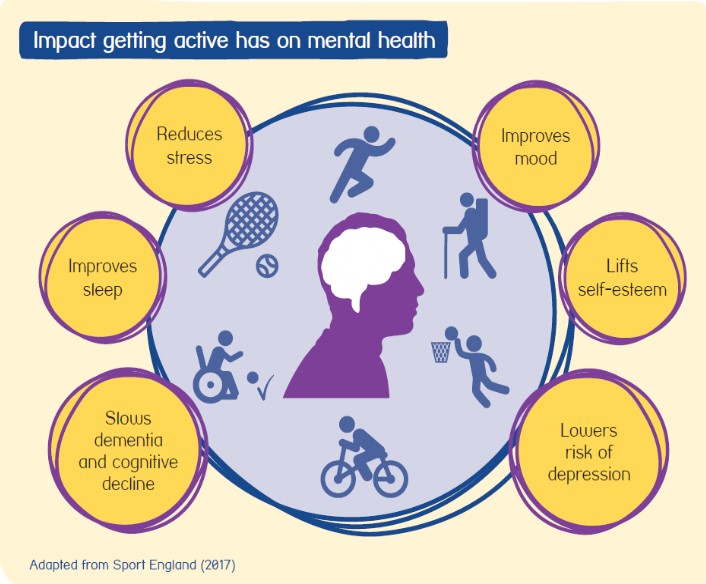
Exercise is a wellbeing protective factor because it can:
Release feel-good chemicals like endorphins and serotonin, which can help lift your mood.
Help distract you from other worries so you’re more able to manage negative thought patterns.
Improve sleep quality and reduce stress.
Build physical strength and reduce the risk of injury.
Provide social connection through team sports, classes or walking with a friend.
How much exercise should you get?
The Australian Physical Activity guidelines recommend being active on most days of the week. For adults, this means:
2.5 – 5 hours of moderate activity each week. This might include walking briskly, golf or swimming.
1.25 – 2.5 hours of vigorous activity each week. This might include jogging, a football game or fast cycling.
An equivalent combination of both.
You should also include muscle-strengthening activities in your routine at least twice a week. This could include push-ups, squats and pull-ups, lifting weights or household activities that involve lifting or digging.
Building exercise into your daily routine
Fitting in movement isn’t easy, especially for shift workers. Gyms may be closed when you finish work, and unpredictable hours make it hard to commit to regular classes or team sports.
Small choices still add up and you don’t need to let these reasons stop you. Think about your week and work out when the right movement would fit best on which day.
If you have a physically demanding job or work long hours, an intense workout before or after your shift might not be practical. Instead, you could do a gentler activity like going for a walk, doing some stretches or taking a yoga class.
On your days off, you could prioritise more intense exercise. You could go for a run, go to the gym or do an exercise class. One perk of being a shift worker is having quiet times to enjoy activities when most people are at work, like cycling by the beach when there aren’t crowds or heading to the gym in the middle of the day.
And remember, everyday movement counts. Taking the stairs, walking during a break, or doing a few squats at home can all make a difference. What matters most is finding a routine that’s consistent enough to help you stay in the green zone, where life feels more manageable and balanced. =
References:
https://www.betterhealth.vic.gov.au/health/healthyliving/exercise-and-mental-health
https://www.nature.com/articles/s42003-024-05962-8
https://www.healthdirect.gov.au/exercise-and-mental-health
https://www.ambulance.nsw.gov.au/__data/assets/pdf_file/0011/962309/Shift-Worker-Wellbeing-Guide.pdf
Exercise and Mental Wellbeing: What's the Link?